Canaries were first used in coal mines in 1896 to warn miners of toxic gases. Their use continued until the 20th century. One little bird was enough to signal what was going on in their environment.
Plants can be canaries too. Researchers have shown that deer browsing can affect the abundance, flowering, and growth of some plant species. Monitoring these species could signal how deer are affecting the environment. Like the canary, they can be ‘indicators.’
One such species, Indian cucumber-root (Medeola virginiana), is a very good candidate as an indicator in Pennsylvania. This species occurs throughout the state and I have found it in every state forest where I have looked for it.
Indian cucumber-root is aptly named as the root (a small bulb) tastes like a cucumber with the crunch of a radish! Most roots are the size of your thumbnail. The photo below is the root of an exceptional plant.
The plant arises from the forest floor in a thin stalk that supports a whorl of leaves. If the plant is particularly healthy – and old! – the stalk will continue up to another whorl of leaves, in which the flowers are centered.
Most plants are maybe 6” tall, but they can grow up to 2 feet.
Their seeds don’t go very far, and the plant probably propagates more via the roots. New plants will arise from the rhizomes of the parent plant the following year.
Indian cucumber-root is a perennial and a preferred food of deer who consume the stem and even the root.
The thinking is that when these plants get eaten by deer:
They don’t grow as tall
They are less likely to flower
And they will be less abundant
It’s like chips in my house. When I am home, their abundance is lower and the bags don’t reproduce as much. Therefore, if you come over and can’t find any chips, then you know I am home.
Monitoring some combination of abundance, flowering, and height might give you insights into the effects of deer on your forest plant community. Sounds promising. But could other factors influence the abundance, flowering, and growth of this species?
Danielle Begley-Miller, a PhD student on the project, set up an experiment to see. She fenced some plots (excluded deer). Some plots were limed (to improve soil conditions – increase Ca and Mg, increase pH, and reduce the cycling of metals like Mn and Al). Some plots were herbicided to remove competing vegetation. There were numerous plots across Bald Eagle and Rothrock state forests that received some, none, or all of these treatments.
It’s called a completely cross-classified design that included controls (nothing was done) and a series of plots that received every possible combination of treatments.
What did she learn? Well, it depends on the canary and the chip.
Manganese in small amounts is an essential metal needed for cellular processes in all living things. However, at high levels it is toxic. When soils are acidic and manganese is present, it becomes more available to plants at levels that may be toxic.
Second, applying herbicide appeared to have no effect on Indian cucumber-root.
Third, flowering was NOT related to whether a plot was fenced. It was related to two things: soil pH and Mn.
Yeah, it gets more complicated.
When soil pH was low (acidic) and there was lots of Mn in the soil, adding lime relieved the stress of Mn poisoning and more plants flowered.
When soil pH was low and there was little Mn available, flowering DECREASED because there was no longer enough Mn available! Remember, Mn is essential but we don’t need much.
What does this all mean? Well, it adds a wrinkle if you want to monitor Indian cucumber-root to assess deer herbivory. The absence of Indian cucumber-root may simply be due to soil chemistry. It’s flowering also may be due to soil chemistry. It’s abundance also may be due to soil chemistry, and Mn-stressed plants may not withstand as much deer browsing.
So this canary may not be a good sentinel and the abundance of chips at my house may have more to do with the number of times my spouse goes to the grocery store or her desire for me to eat fewer cheese puffs.
Danielle’s experiment also shows that applying lime everywhere to address pH may not be wise – because it could cause a problem for some plant species depending on the soil conditions. This isn’t really surprising. It’s recommended farmers do a soil test before they add fertilizer to their fields.
Focusing on one thing without considering the multitude of other possible causes makes things look simple when they are anything but.
-Duane Diefenbach
*If you are a first-time commenter on the blog, your post will not appear until it has been approved by the moderator. This is to prevent spam overwhelming us. If you do not see your post within 24 hours, please email us at deerforeststudy@gmail.com
If you are a prey species, you tend to pay attention to the things in your environment that might enjoy you as a snack. If you are a deer, you are paying more than attention. In the last post, I highlighted how bear and deer hunting seasons affect deer movements.
Today I’m going to dive a little deeper. To be honest, I had never given much thought to this until I made that graph last week. Let’s dive deep into my little rabbit hole.
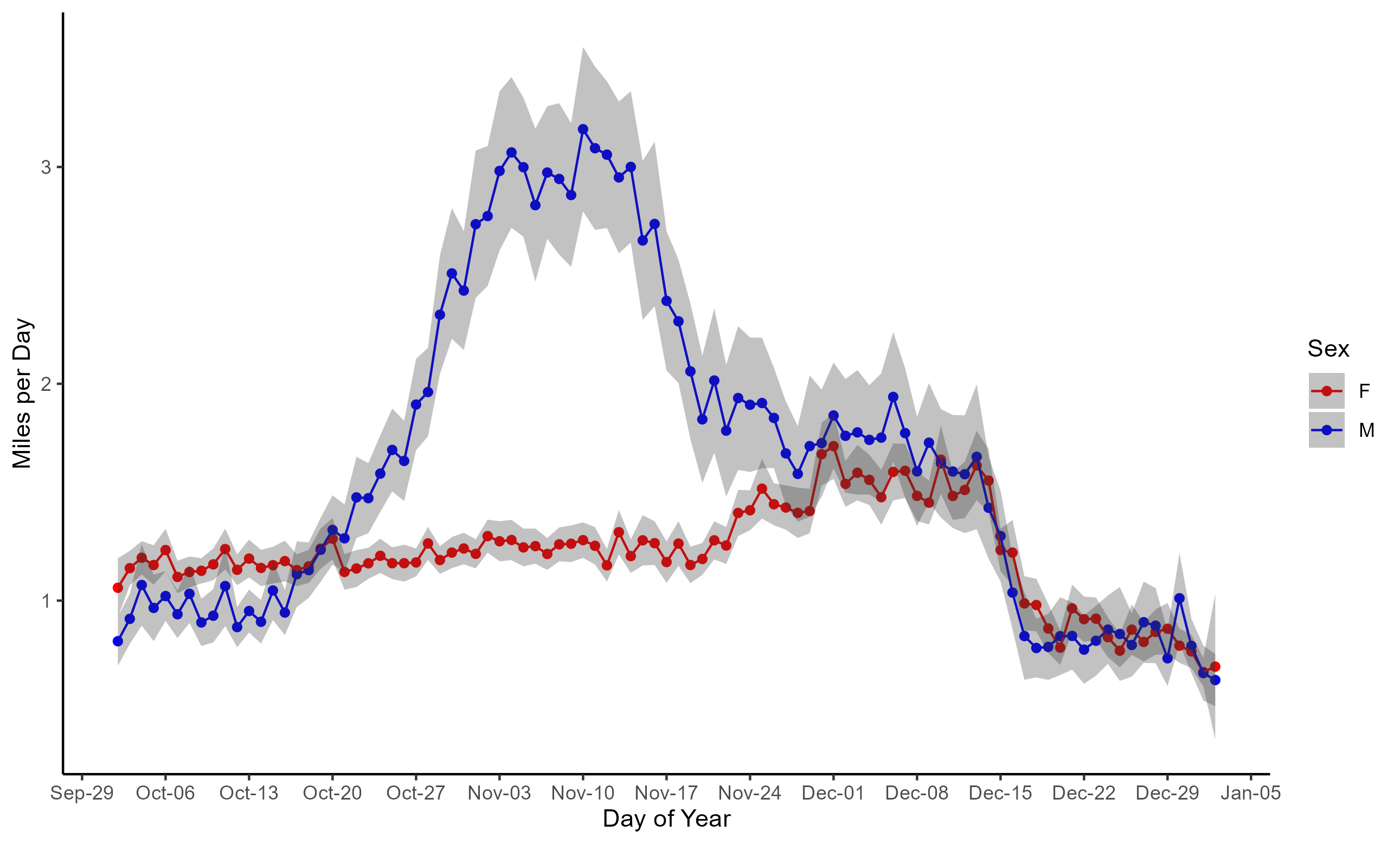
Remember this graph. Bear and deer seasons appear to change the activity of both male and female deer.
You know that one person at the party that everyone tries to avoid. Brad is just too much – too loud, too depressing, too annoying, too exhausting. Humans are the Brads of the world and every other species is trying to avoid us. At least half of the Earth’s surface has been modified for human activities. Wildlife ecologists have studied the effects of our changes to the environment on animal behavior.
The Deer-Forest Study contributed to a paper published in 2018 in Nature that looked at movements of 803 individual animals across 57 species. It looked at how animal movements differed among environments with varying levels of human modification. In highly modified areas, animals moved one-half to one-third less than in areas with little human modification.
However, we don’t have to modify the environment to influence animal behavior. Simply having Brad in the room can influence the activity of other animals – take hunting seasons in the graph above, for example.
Does that matter to a deer? Let’s look at male movements a little more closely. In the graph below, I speculate that if we didn’t have bear and deer seasons the orange line might represent average daily movement of bucks.
If this were the case, deer are moving more and burning more energy in late November and early December. But how much more?
This is where it gets exciting, for me anyway, because…calculus! The integral of a function represents the area under the curve – in the graph above the area under the blue curve would be the total miles traveled. If we integrate the blue line, we could use that value to represent energy expenditure of male white-tailed deer on our study area (if we are willing to assume miles per day is a good index to energy expended). See below.
If we then integrate the area under the blue line BUT exclude the area we think is due to hunter disturbance, then we get the graph below. Area “B” is the predicted amount of energy expended if hunters were not in the woods.
That means that A divided by B represents how much more energy (in relative terms) deer expended because of disturbance from hunting. In our example, hunter activity caused deer to expend 9.3% more energy from October 1st – December 31st.
That’s nearly 10% more energy! That’s equivalent to Jeannine walking 17,600 steps per day instead of her usual 16,000!
So what about females? Below are the graphs for females. Area A divided by area B indicates females expended 8.4% more energy.
This is just a fun back-of-the-envelope exercise to explore the consequences of human activity on wildlife. The wildlife profession now has the technology to estimate true energy expenditure. We have radio collars that collect accurate locations (latitude, longitude, and elevation) and can measure acceleration in 3 dimensions. We know the basal metabolic rate of deer (the energy required to simply exist in an easy chair), the energy required to maintain body temperature, as well as the energy required to move through snow, and run, and walk.
It won’t be me, but some future PhD will be able to calculate the effect of hunting on the survival and reproductive output of white-tailed deer. If you think this is a silly exercise, tell me that a 10% reduction in gas mileage or a 10% increase in your grocery bill doesn’t matter. Think of how exhausting it is to avoid Brad all night. An 8-10% increase in energy output just before winter is important to deer!
I just can’t tell you how important. But I hope the next generation of biologists will.
-Duane Diefenbach
*If you are a first-time commenter on the blog, your post will not appear until it has been approved by the moderator. This is to prevent spam overwhelming us. If you do not see your post within 24 hours, please email us at deerforeststudy@gmail.com
All over but…
Well, the 2025 breeding season is a wrap. And as The Ink Spots sang in 1947 or Hank Williams, Jr. crooned in 1968 (depending on your taste in music), it’s all over but the crying. The same goes for my hunting season. Whether you found success or not in the woods, deer took part in their usual activities but it did look a little different from years past.
As we shared throughout the fall, female travels since before the rut started in mid-October were the lowest we have recorded since 2013.
And for males it was not a record low, but nearly.
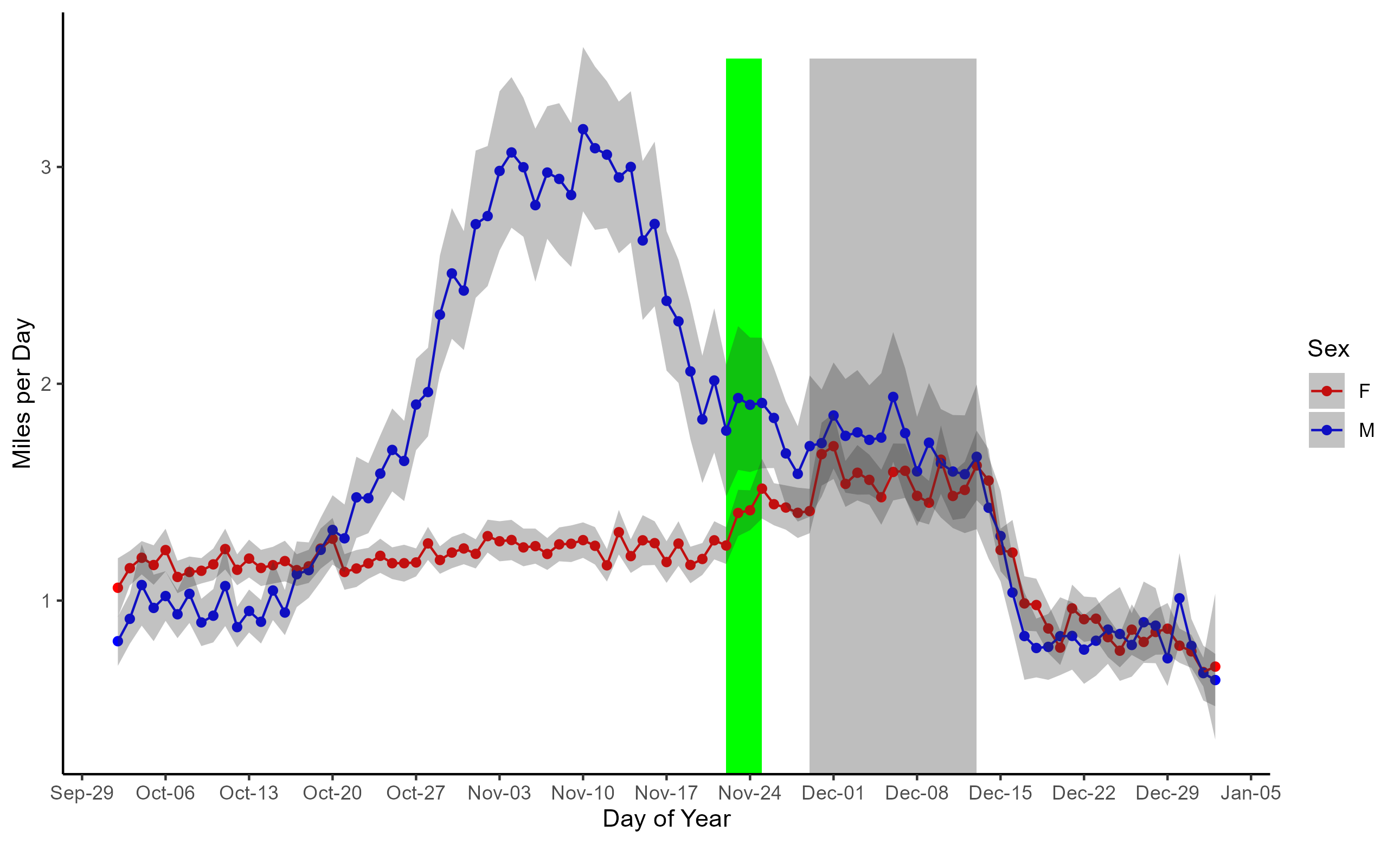
The Rut Tracker shows average daily movements of male and female deer from the beginning of October through the end of December.
You’d almost think that there is a second rut beginning in early December. But if you’ve been reading our posts for a while, you would know that in Pennsylvania there is no evidence for a “second rut.”
So why does the decline in buck movements stop and doe movements increase?
It turns out a small army of armed invaders entered the scene and threw a wrench in the works. Bear and rifle deer seasons are minor holidays in this state.
In the days before and after Thanksgiving deer aren’t thinking much about love, they are mostly avoiding hunters! The green bar represents the rifle bear season, and the gray box represents the rifle deer season.
With thousands of hunters in Penn’s Woods during those days, deer movements clearly respond to this human activity. I will have more to say about that in our next blog post.
With the close of these major hunting seasons, the remaining population takes a breather and you can see movements sink to their lowest levels as seen in previous winters.
For the next few months, any differences in activity between males and females completely disappears. Like us, they are conserving their energy to make it through the cold, dark days of winter.
-Duane Diefenbach
*If you are a first-time commenter on the blog, your post will not appear until it has been approved by the moderator. This is to prevent spam overwhelming us. If you do not see your post within 24 hours, please email us at deerforeststudy@gmail.com
Deer of the World
Have you ever considered how many deer species there are in the world?
In North America we have the following free-ranging deer species, of which all but the sika deer are native:
Wapiti (Cervus canadensis)
Sika deer (Cervus nippon)
Mule deer (Odocoileus hemionus)
White-tailed deer (Odocoileus virginianus)
Caribou (Rangifer tarandus)
Moose (Alces alces)
So, if North America has 5 native species of deer, and there are 5 other continents in the world (excluding Antarctica), could there be 30 species?
There are 52 species! Don’t ask me to name them all.
The variation among deer is grand.
The smallest deer is the northern pudu (Pudu mephistopheles) that is about 12” high and weighs about 11 lbs. It occurs in South America.
Pudu (Image by Angela from Pixabay)
The largest deer is the moose, which can be over 7 feet tall and typically weigh close to 1,000 pounds. The largest moose recorded in Maine weighed over 1,700 lbs! The distribution of moose is circumpolar, and they’re called elk in Scandinavia (yes, it can lead to confusion).
Antlers can be single-tined to multi-tined. Complex and palmated. And range from half an inch (tufted deer – they make up for it with the size of their canines) to over 6 feet (e.g., reindeer).
Tufted deer (Image by Mircea Iancu from Pixabay)
Socially, deer may have a solitary lifestyle (Chinese water deer), live in pairs (muntjacs) or small family groups (marsh deer), or form large herds (caribou).
In North America, we may think of deer as being ubiquitous despite the fact they were scarce 100 years ago. Worldwide, deer species are not doing so well.
We know so little about 10 species that we don’t really know their population status
Of the 16 species classified as Least Concern, 6 have declining population trends
Of the 16 species classified Vulnerable, 15 have declining population trends
All this information (and more!) is compiled in a new book, Deer of the World, that required contributions by 160 authors from 30 countries and took 4 years to complete. It’s an indispensable resource for researchers. I helped write the chapter on white-tailed deer with help from colleagues in Canada, Mexico, Pennsylvania, and Texas and I have 51 more chapters to read…
–Duane Diefenbach
Correction: An earlier version of this post mistakenly listed northern pudu (Pudu mephistopheles) as a species found in China.
*If you are a first-time commenter on the blog, your post will not appear until it has been approved by the moderator. This is to prevent spam overwhelming us. If you do not see your post within 24 hours, please email us at deerforeststudy@gmail.com
Seeds
Do you remember not knowing how to tie your shoes? I don’t. It’s a simple task we all learn and it’s easy to see how this skill applies to our lives. I lace up my shoes every day to walk the dog or go for a run!
How about geometry? Ever sit in geometry class wondering how points, lines, angles, and planes would serve you in the “real world”? I did my time in geometry like everyone else. Once it was behind me, I packed it away in my brain…until I became a quilter 20 years later.
Geometrical concepts are integral to the art of sewing and quilting. And when I stepped into that world, the geometry skills I learned in junior high and high school formed the base of my understanding as I learned how to make pin wheels, half-square triangles, bear’s paws, and basket blocks. I was thrilled that I could understand how patterns worked allowing me to tinker and create my own designs.
Sometimes science is like this. What some perceive as useless knowledge is the seed of groundbreaking discoveries. Recently, I was listening to an episode of Radiolab, one of my favorite podcasts, that illustrated this in a BIG way. It tells the story of scientists searching for life in natural hot springs. It was thought that nothing could live above 163 degrees F because proteins and enzymes just fall apart at those temps.
Mushroom Pool, in the Lower Geyser Basin of Yellowstone National Park, as it looked in June 23, 1967. Pictured is Thomas Brock standing near the edge of the pool. Image from the self-published “A Scientist in Yellowstone National Park” (Brock, 2017).
They set off to Yellowstone National Park with an $80,000 grant from the U.S. Government. They collected samples from Mushroom Pool and [SPOILER] found a new species of bacteria, Thermus aquaticus, which can survive at temperatures of 122-176 degrees F!
Drs. Thomas Brock and Hudson Freeze reported this new species of thermophilic bacteria in 1969. Kind of amazing that life can exist at near boiling!
Cool but does documenting a bacterium that lives in a hot spring really change your life? As a matter of fact, it does. But it took over 20 years to know that. T. aquaticus has become the source of thermostable enzymes that serve as the basis for Polymerase Chain Reaction (PCR)! PCR is fundamental to genetic testing and research including identification of infectious agents. Prenatal testing; cancer screening; HIV, TB, SARS-CoV-2 detection; genetic fingerprinting; DNA sequencing – All thanks to looking for life in a hot spring!
Want more examples of basic science changing the course of medicine, management, and conservation? Check out the Golden Goose Award. This award recognizes government funded, silly sounding research that has made an impact on our society.
Studying the breeding habits of red-cockaded woodpeckers, basic research with no applied goal, lead to a management paradigm shift with measurable results for this endangered species.
Chuck Hess, USFS
Research on the sexual behavior of the screwworm fly which some deemed wasteful federal spending lead to the eradication of this destructive livestock pest saving billions of dollars over the last 50+ years.
So what of deer?
We have studied dispersal behavior of both male and female deer. There are no direct management implications for this research. But knowing helped us understand how and who might spread CWD across the landscape, which has influenced management.
And then there is all the fawn research – understanding birth synchrony has no application to management. But someday it might be the key to a problem we have yet to encounter.
All this to say, basic science has value. It is the seed that grows into beautiful flowers making the world and our lives better. Investing in science research is investing in our future. A future that is not known. So we better learn as much as we can to be ready for it.
-Jeannine Fleegle Wildlife Biologist PA Game Commission
*If you are a first-time commenter on the blog, your post will not appear until it has been approved by the moderator. This is to prevent spam overwhelming us. If you do not see your post within 24 hours, please email us at deerforeststudy@gmail.com
Choose Wisely
I’m a big fan of Indiana Jones (We won’t discuss the disaster that was The Kingdom of the Crystal Skull). In The Last Crusade, the Grail Knight instructs Donovan that he must choose but choose wisely when selecting a grail. When choosing the Holy Grail, you only get one shot…this opportunity comes once in a lifetime. If you’ve seen the movie, you know that Donovan chose poorly.
Making decisions is hard. Mostly because there are a lot of things to consider. Do you know what is even harder? Trying to figure out what decision someone else is going to make. But that doesn’t stop science. Science says, “Challenge accepted.”
How does a hunter decide if and when to harvest a deer? What factors play a role in this decision? And how might that affect deer management? These questions were explored in research recently published.
Hunters’ expectations, motivations, perceptions, and field behavior during the firearm season in Wisconsin were quantified in relation to their selectivity in harvesting an antlered deer. Guess what – most hunters DO NOT take the shot when given the opportunity to harvest a buck. Only about 1/3 of hunters took the shot. 7 of the 10 factors that predicted a hunter’s decision to take a shot were related to personal characteristics revealing just how individual that decision is.
Things like trail camera use, stationary hunting methods, effort spent scouting, and participation during the archery season led to more selective firearm hunting. Also, “lifetime harvest achievement” greatly affected the decision to pull the trigger, which means those hunters who had NOT harvested a large buck in a prior season were 2.5 times more likely to take the shot. So while there may be plenty of bucks available in the population for harvest, only a subset of them is of interest to hunters.
Other influencing factors:
Hunters became less selective as hunting pressure increased.
Hunters on public lands were less selective; on private lands more selective.
When hunters perceived low deer density they were more likely to take the shot but were willing to pass up a buck as population density increased.
Hunters primarily motivated by filling the freezer were more likely to take a harvest opportunity; but if they were motivated to harvest of a mature buck, they were less likely to take that same opportunity.
All this to say, predicting when a hunter will pull the trigger on a buck is no simple task. And it is painfully obvious that convincing hunters to change their decision points may be near impossible. Given that hunting is used to manage deer populations, this is a problem.
You know what’s a bigger problem? The sole focus on the motivation behind the harvest of antlered deer. As a deer manager, the factors that contribute to a hunter choosing to pull the trigger on a buck is the least of my concerns. Harvesting bucks doesn’t do a thing for managing deer. I want to know what motivates a hunter to pull the trigger on an antlerless deer. That is what affects deer populations. That is deer management.
Pennsylvania’s deer program is centered on the goals of healthy deer, healthy forests, and reducing deer-human conflicts. In practice, we use population estimates to determine trends and calculate antlerless harvests that support those goals. We know how many antlerless deer need to be harvested and issue the appropriate number of licenses to achieve it. With fewer hunters, the motivation of those hunters to not pass up an opportunity becomes critical.
If we wish to continue to manage deer like we have for the last 130 years, we need deer hunters, not antler hunters. And the more we focus on antlered deer being the prize (and antlerless deer being an afterthought), the closer we come to an unusable (Broken? Useless? Antiquated?) management tool. Choose wisely.
-Jeannine Fleegle Wildlife Biologist PA Game Commission
*If you are a first-time commenter on the blog, your post will not appear until it has been approved by the moderator. This is to prevent spam overwhelming us. If you do not see your post within 24 hours, please email us at deerforeststudy@gmail.com
Captain America
It’s been a hot minute since I wrote about my nemesis, the cervid antler. But no worries. Because if there’s one thing you can count on, it’s that new research will always be published about antlers.
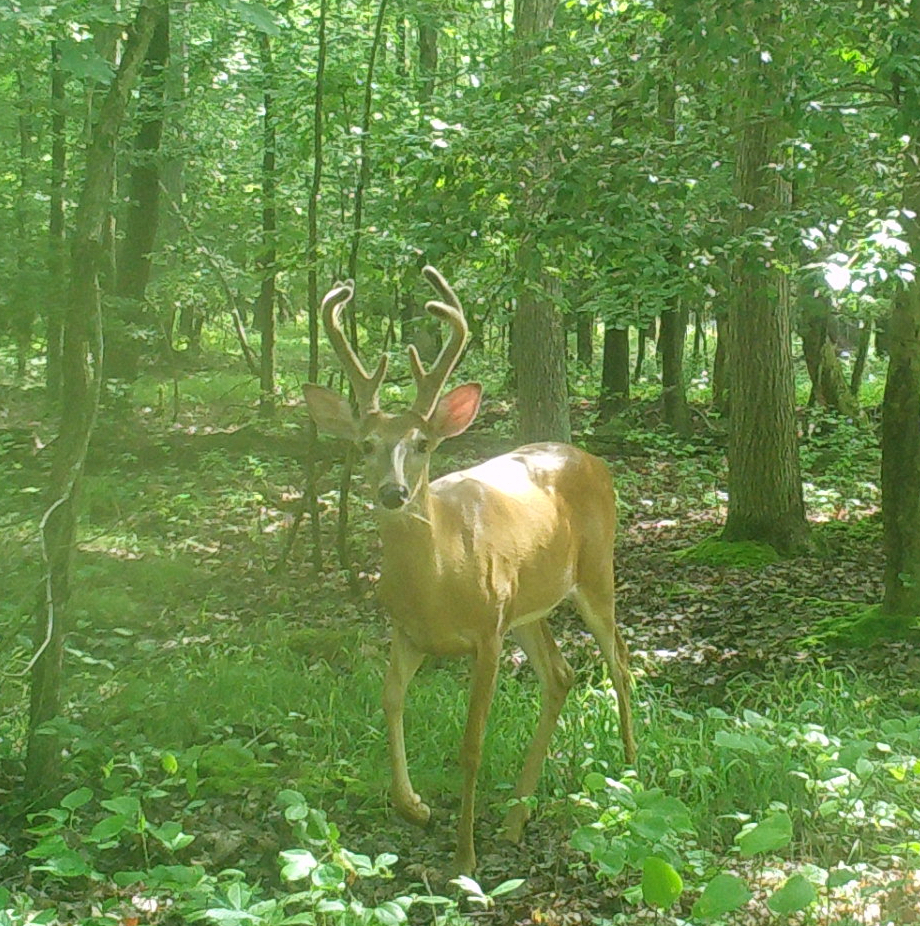
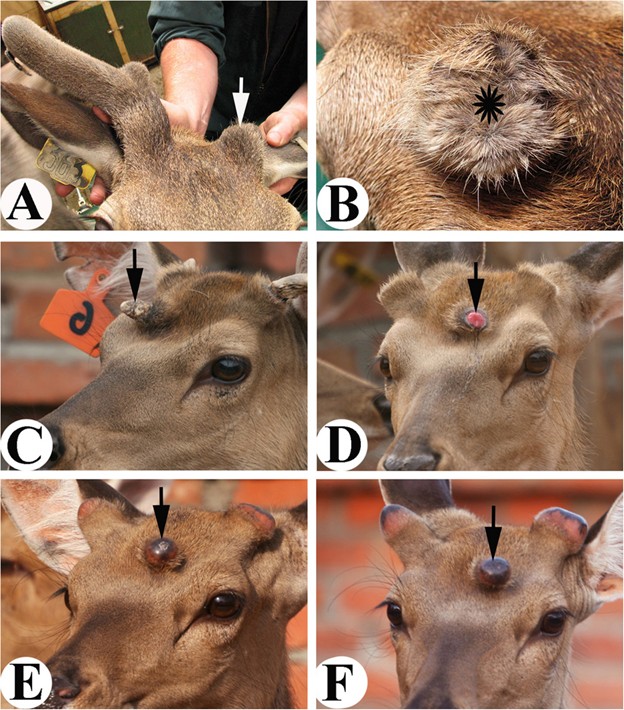
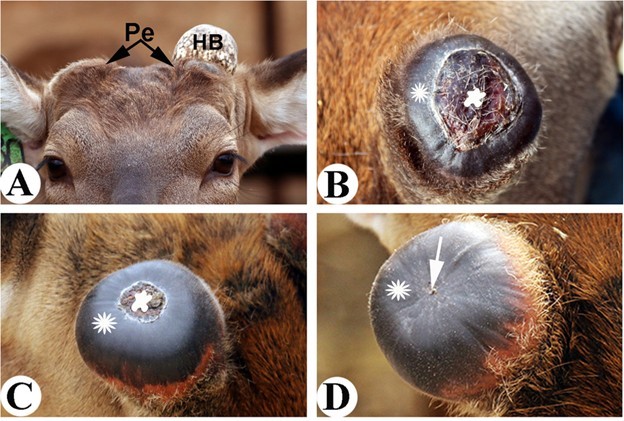
The most impressive thing about antlers is their regenerative ability. Coupled with their extremely rapid growth rate, antlers are a natural wonder of the world. Cells in the pedicle are special in that if you move them around, they still grow an antler. Leg antler anyone? Pedicle periosteum is responsible for this marvel. They know their job and they are good at it. Stories of unicorn or 3-antlered bucks are likely the result of some sort of trauma that shifted those cells around and – voilà, a new antler!
Pedicle periosteal cells express embryonic stem cell markers and can differentiate into multiple cell types. The periosteum (membrane of blood vessels and nerves that wraps around most bones giving them their blood supply and sense of feeling) has limited potential to proliferate, which makes regeneration of a limb impossible.
But before you start worshipping at the altar of the pedicle periosteum, there’s more! My handy dandy google alert delivered this gem to my inbox last week. This antler research falls into the “love” category of my love/hate antler relationship. Turns out it’s not just those fancy cells that can regenerate. They have an Avenger team.
If I do a quick body scan, I can tell you a story for every scar I find. The crescent shaped scar on my knee – I lost my balance in the boat while checking wood duck boxes; the V on my right hand – Sherman, the German Shepherd; the line on my left hand – me vs the hot oven rack. Scars are a part of life, right?
Scars are part of healing but there is a difference between scarring and regeneration. Scarring is a form of fibrous tissue which closes a wound but doesn’t restore the original tissue structure or function. Deer lose their antlers every year. The result is an open wound on their head. Yet when the wound closes, skin regenerates. No scars!
The Hulk that is the pedicle periosteum doesn’t go it alone. It takes a team to save the world or in this case an antler. Components in a deer’s blood during the antler regeneration period cause generic regenerative wound healing. Here’s what that means. Researchers found that foreheads wounds (inflicted as part of the study) during the spring and summer exhibited regenerative healing while those wounds healed with a scar in the fall and winter.
When antlers are growing, deer are like Captain America with superhuman healing ability. But this elixir isn’t just for deer. Topical application of deer blood plasma from the antler regeneration period applied to skin wounds in rats also promoted regenerative healing with increased cell proliferation, impaired inflammatory response, reduced myofibroblast transformation and elevated collagen remodeling. The blood was analyzed and fun things like IGF1 and PRG4 were found. I’m not venturing into that world, but you should read the paper for the details. It is pretty cool.
The conclusion: deer blood during the antler regeneration period contains magical healing properties capable of inducing regenerative wound healing which is not limited to deer!
Could deer bridge the gap between us and Captain America? Maybe.
Jeannine Fleegle Wildlife Biologist PA Game Commission
*If you are a first-time commenter on the blog, your post will not appear until it has been approved by the moderator. This is to prevent spam overwhelming us. If you do not see your post within 24 hours, please email us at deerforeststudy@gmail.com
Candy Conformations
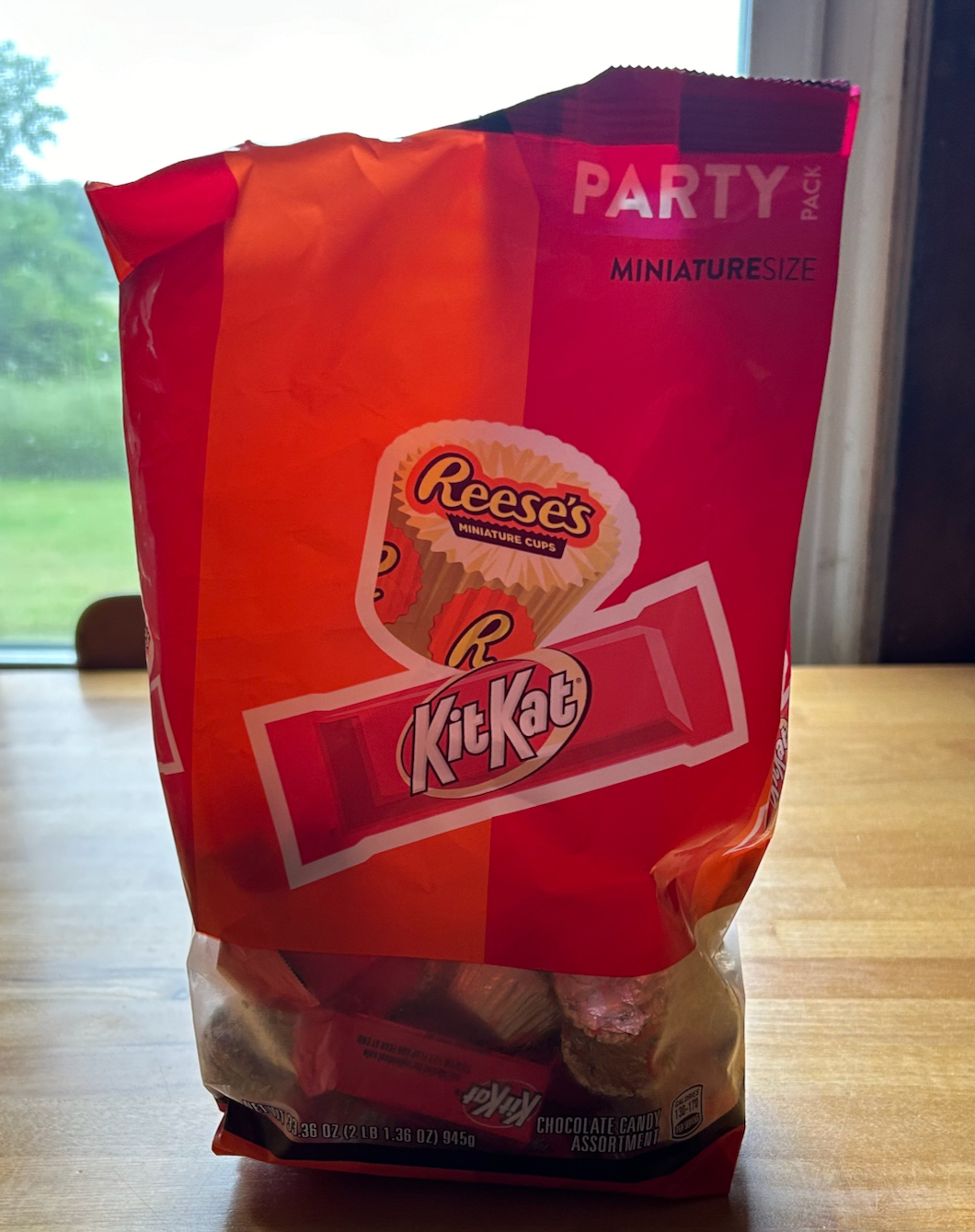
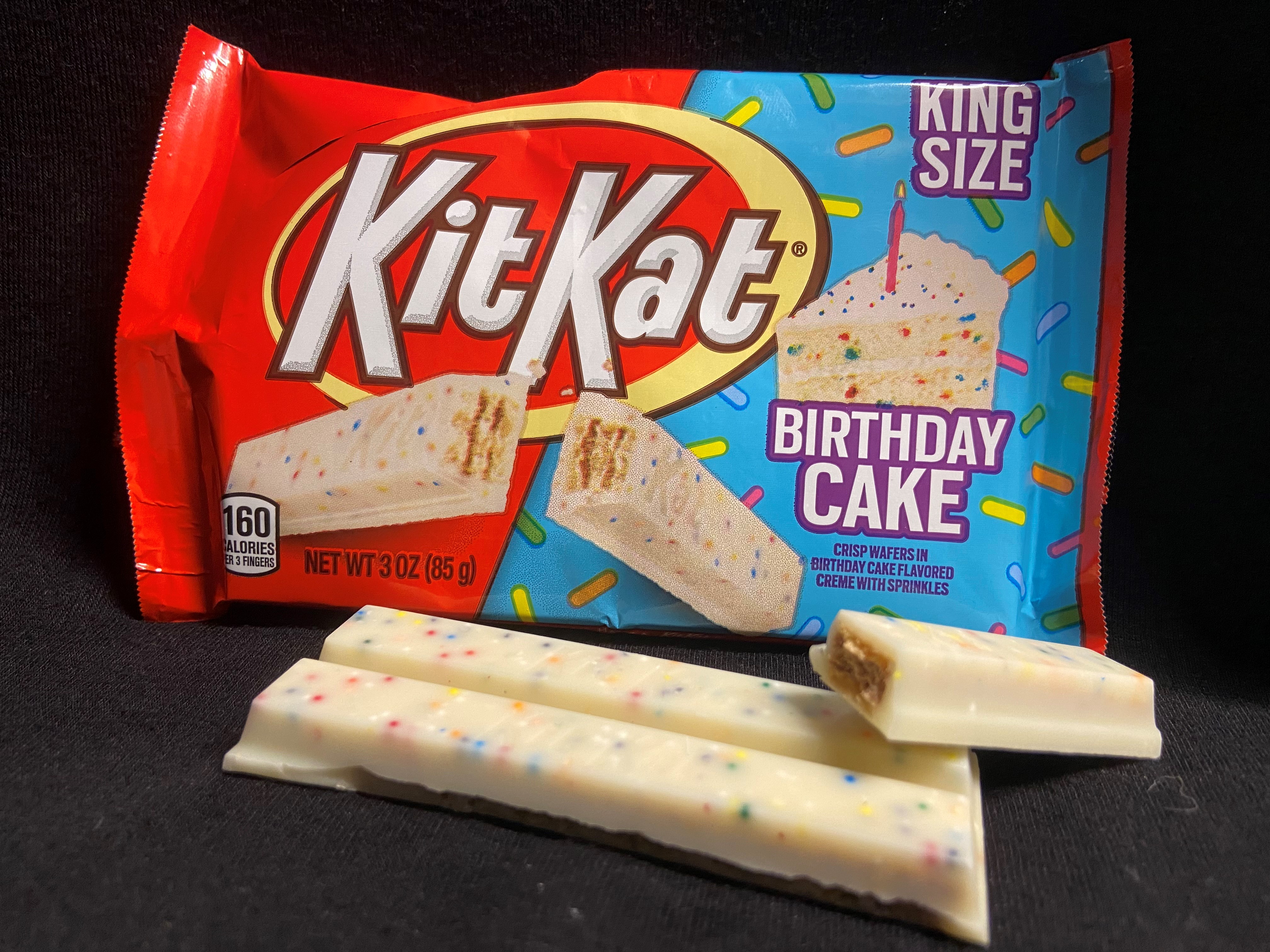
What’s your favorite candy? M&M’s, Reese’s peanut butter cups, Hershey’s Kiss, Twix, Kit Kat? For me, it’s Kit Kats.
According to Hersheyland, Kit Kats landed in the US from the UK in 1935. Today, more than 15 million a DAY are made in the Hazelton, PA factory. That sounds a bit like heaven.
For 40 years of my life when I reached for a Kit Kat, I knew exactly what I was getting – layered crispy wafers wrapped in chocolate. Straight out of the freezer or fridge is best! Then something happened. All of a sudden, a Kit Kat wasn’t just a Kit Kat. In 1996, Kit Kat Orange was introduced in the UK, and it was a glimpse of things to come.
You can thank the low carb craze of the early 2000s for the mutation of Kit Kat into multiple variants as Hershey and other confectioners tried to stop the downward spiral of sales. Now when you grab a Kit Kat at check out, you better read the package. It could be mint or caramel or dark or churro or ghost toast or birthday cake or perhaps the worst mutation pink lemonade – Yuck!
Why mess with an original? Kit Kats were perfect just the way they were. At least, they were to me but these new twists on an original reversed the sales decline.
While far from a confectionary delight, chronic wasting disease (CWD) and Kit Kats do have some commonalties. CWD is a fatal brain disease that affects species like deer and elk. There is no cure or treatment. Deer get it from coming into contact with another infected deer or through contact with contaminated environments because infected deer shed prions which cause the disease.
When chronic wasting disease was the new prion disease on the block in the 1960s, no one was asking what “flavor” it was. The OG CWD if you will. There was only one transmissible fatal prion disease in deer.
Perhaps Mother Nature is a marketer. Expanding and diversifying to keep things fresh. Because right around the same time as the Kit Kat evolution, researchers began to uncover different strains of CWD. Who knew the low carb craze would have such an impact?
CWD is caused by a misfolded protein known as a prion. Like towels, they can be folded in many ways. Every misfold is a different strain of CWD. Right now, there are at least 10 strains of CWD. The end result of all deer infected with any strain of CWD is the same but what happens leading up to that isn’t. CWD strain alters the 18 to 24 month incubation period; the shedding of prions from an infected animal; the distribution of the prions in the body; and, most importantly, the species barrier. Currently, CWD is known to only affect deer species. If CWD were to infect a critter other than deer, it would be a game changer.
What’s driving the emergence of new strains isn’t lagging sales but genotypes. In order to be competitive in the CWD market, you need to diversify – try new folds. See which one is appealing to the target demographic – in this case different deer genotypes. You see there are some genotypes, often referred to as less susceptible or durable genotypes, in deer that aren’t that crazy about OG CWD. Deer with these durable genotypes still die if they are infected, but they live longer. This gives “marketers” the opportunity to try new folds. And they seem to have found a winner in a strain known as H95+. Those durable deer genotypes don’t hold up when exposed to this CWD strain and it could be the one to branch out to other species beyond deer. That would open a whole new market to CWD.
Yes, Mother Nature is definitely a marketer. No one should be surprised by this. Look at how successful she has been – Flu, Covid, the common cold. We might not like all her products, but you have to give it to her and the Kit Kat masterminds. They know how to increase sales and reach.
–Jeannine Fleegle Wildlife Biologist PA Game Commission
*If you are a first-time commenter on the blog, your post will not appear until it has been approved by the moderator. This is to prevent spam overwhelming us. If you do not see your post within 24 hours, please email us at deerforeststudy@gmail.com
The Game of Life
It’s mid-May and there are already fawns on the ground. We are working our way up to the peak of fawn drop at the end of the month. We’ve talked a lot about fawn survival on this blog. Of course, most of the discussion revolves around the monstrous predators stealing babies from their forest beds. Yes, the previous sentence is dripping with sarcasm.
Predators are the party driving these interactions. Without them, fawns would live blissful lives without care or worry. This is untrue but decades of bad press are hard to shake. Kind of like female’s “passive” role in reproduction. This also is untrue and if I get Duane to agree, maybe I’ll write a post about that someday.
Does are yet again not given enough credit. Shocking. They play an active role in the survival of their fawn. And I’m just not talking about feeding and changing diapers.
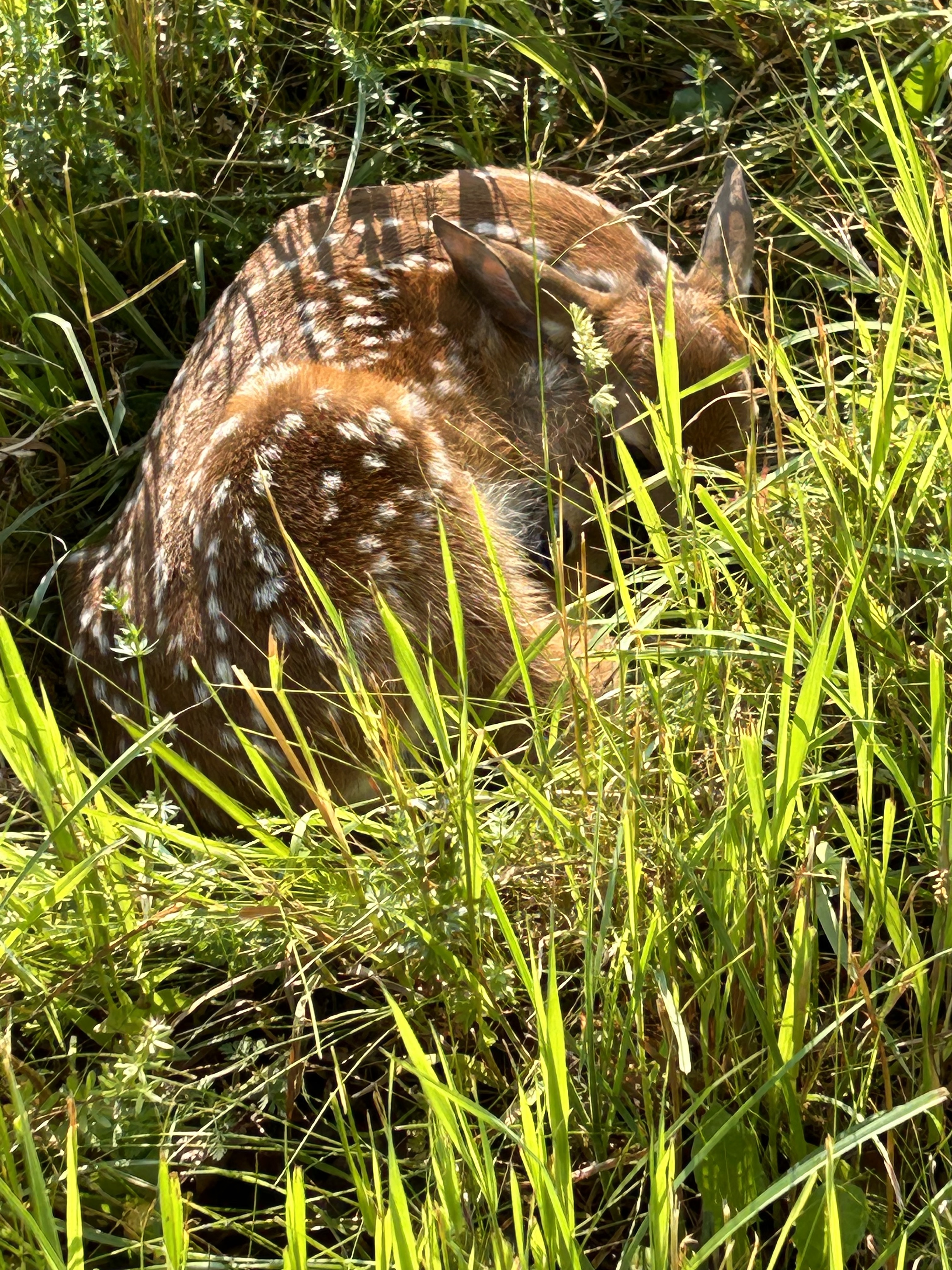
White-tailed deer fawns are hiders. They use the armor of concealment to protect them when mom isn’t actively caring for them. They need protection because they are tasty and bears, coyotes, and bobcats need to eat so they can feed their own babies.
Decisions of where and when to hide are made by fawns but the conditions surrounding these decisions are linked to many things. Predation risk and habitat are 2 big ones. Predation risk is easy – fawns and does want the lowest risk possible to maximize survival.
Habitat can be 2-fold – it offers places to hide and provides does with the nutrition they need to support a growing fawn(s). The faster they grow, the better the chance of survival. If mom needs to range too far from her fawn, she might miss detecting a predator. If she is too close, she might give her fawn’s location away.
That’s the “where” part but the “when” also matters. When a fawn hides and when its active also plays into predation risk.
Who knew hiding could be so complicated!
Several studies were recently published looking at the role of maternal behavior in fawn survival. For neonatal mule deer, hiding was greatest at night, and they were more likely to hide in short vegetation. This last part seems counterintuitive but remember mom needs to see the coyote so she can open up a can of whoop a$$. If the grass is too tall, she can’t see what’s coming.
Hiding at night is a good idea because that’s when predators are most active. During this period, mule deer fawns were more likely to hide and were farther away from mom. In fact, another study on white-tailed deer found that fawn survival decreased as the proportion of nighttime visits by mom increased. Maternal behavior directly influenced fawn survival. Maternal behavior can be altered by various activities. So before you start crucifying coyotes, bears and bobcats, ask yourself if there is anything you are doing to make it difficult for a doe to visit her fawn during the day.
Another way doe behavior can influence fawn survival is through movement. In Delaware where fawns live without predators, younger females move more than older females during lactation. Younger females (<4 years old) had greater postpartum displacements than older females expending more energy to find food or avoid aggressive interactions with more socially dominant females. Fawns of younger females had reduced survival rates compared to older females. Emaciation was the most common cause of fawn mortality even though birth weights were the same for both groups.
Younger females are still growing. Add to this the energetic burdens of lactation and increased movement and there just isn’t time to get enough to eat to support themselves and their fawns.
If you throw people and predators into the mix, a mom has her hands full.
Whether a fawn lives or dies is not based solely on a predator’s ability to find a fawn. There are many players on the field, and no one plays alone.
–Jeannine Fleegle Wildlife Biologist PA Game Commission
*If you are a first-time commenter on the blog, your post will not appear until it has been approved by the moderator. This is to prevent spam overwhelming us. If you do not see your post within 24 hours, please email us at deerforeststudy@gmail.com
We interrupt the regularly scheduled program…
Things are greening up and the birds have returned. Nest building and turf wars are in full swing. And in a few short weeks, overwhelming cuteness will appear in spotted packages on wobbly legs. I have been working on a post about maternal behavior and what it means for those new to the deer world. But that is going to have to wait. Because I became distracted by a headline.
I am passionate about several things. Duane and I share a passion for the use of non-toxic ammunition while hunting. I have regularly advocated for the female segment of the deer population and their overlooked value. The other hill I am willing to die on is feeding. More specifically, that no one should feed deer.
I give a lot of presentations on many topics – to hunters, to students, to the general public – and the message I give in every one of them is “You can forget everything from this presentation except that feeding deer is bad and DO NOT do it.”
Ah feeding, how do I hate thee? Let me count the ways. I hate thee to the depth and breath and height My soul can reach…
Yes, I hate feeding or providing any sort of supplement to deer. In short, there is no need for it and it only causes problems – for deer, for people, for habitat, for wildlife.
For deer, the problems are numerous and the biggest is the spread of diseases and conditions like chronic wasting disease, rumen acidosis, and foundering to name a few. Honestly, I could go on and on and on about the harm it causes but I’m trying to keep this brief. If you’d like a list of publications, email the blog and I’ll be happy to send you the MANY links to the research.
There is also the risk of disease beyond deer to other wildlife, people, and pets. Rabies, salmonellosis, toxoplasmosis, P. tenuis, and tapeworms don’t discriminate between raccoons, dogs, goats, or your kids.
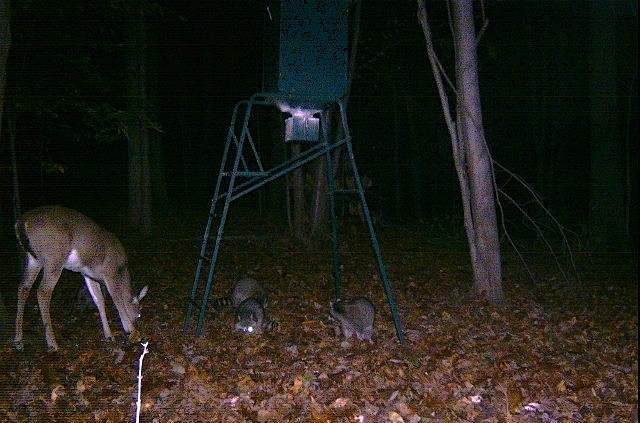
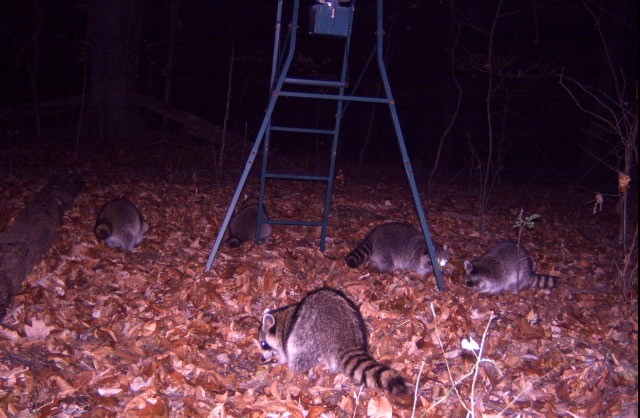
And deer feed isn’t just attractive to deer. Raccoons love it. Rodents love it. Foxes love rodents. And bears love deer. That’s right. Brown bears in Poland visited ungulate feed sites 3 times more frequently than would be expected. Ungulate feeding affected the movement patterns of bears! And there are several studies that demonstrate increased ground nest predation at deer feed sites.
Also do you know what happens when you feed a stray cat or dog? The same thing happens with wildlife. They get used to it. They expect it. That can be disastrous. A captive stag killed the guy who was feeding it. But remember deer aren’t the only ones eating. Racoons are one of the highest rabies risks in the U.S. They are a rabies reservoir in the eastern U.S. extending from Canada to Florida and as far west as the Appalachian range. So when I saw this guy, I nearly LOST MY MIND!
I knew exactly what bill this was referencing. It states, “The department may not adopt a rule or implement a policy prohibiting or restricting the use of supplemental feed on private property for hunting a big game animal.”
How is limiting the ability of the stewards to safeguard the wildlife resources of North Dakota a “victory” for hunters?
Wildlife is a public resource. This is what sets North America apart from Europe and the king’s deer. Land ownership is one thing, but wildlife belongs to everyone regardless of deed. The Public Trust Doctrine establishes public ownership of wildlife as law. This is the cornerstone of the North American Model of Wildlife Conservation. To lose sight of this is tragic. Because it sets the stage for the “have’s” and “have nots.” The wants of a few should not come at the expense of the many.
This is not a victory. It’s a blow to everyone. Our wildlife resources are our greatest triumph. Responsible management is the duty of every stewardship agency.
If you can forget everything from this post, remember that FEEDING DEER IS BAD AND DO NOT DO IT.
-Jeannine Fleegle Wildlife Biologist PA Game Commission
*If you are a first-time commenter on the blog, your post will not appear until it has been approved by the moderator. This is to prevent spam overwhelming us. If you do not see your post within 24 hours, please email us at deerforeststudy@gmail.com
The Griswolds
I look forward to spring every year. Daffodils, peepers, and promise of summer with some 60 degree days. To that end, 2025 has been a bust. The daffodils and peeper held up their end of the bargain just to be slapped by weeks of cold, rainy, gross weather. I’ve been depressed
But last night an unexpected rise in temperature lifted my spirits on my evening walk and prodded others out of their slumber. I spotted a couple of bats feasting on a recent hatch of insects. YES!! Signs of life! Lots of critters besides bats and bugs check out in the winter only to reemerge during more favorable conditions, including snails.
One of our very first blog posts was about snails and the possible interaction of soil and vegetation and deer. Ten years later, I’m going to talk about snails and deer and…”worms.” Specifically, nematodes. A parasitic bug if you will. Technically, neither worms nor nematodes are bugs. And I’m positive entomologists, helminthologists, and nematologists would be highly insulted, but this is my blog post.
For those keeping count, this is my third “bug” related post in as many weeks. This one was Duane’s idea. Parelaphostrongylus tenuis is a parasitic roundworm that infects many hooved mammals but white-tailed deer are their natural host. Also known as brain worm or meningeal worm, they are affectionately called P. tenuis by those that study them (or students that take courses in which spelling counts).
Bug or not, P. tenuis has a complicated and fascinating life cycle. Several life stages and different host animals are required to complete a full transition from an egg to an adult that lays more eggs.
White-tailed deer ingest larvae, which migrate through the digestive tract via spinal nerves to reach the spinal cord and the brain. There larvae develop into adults, reproduce, and lay eggs within deer. Eggs hatch and travel via the bloodstream to the lungs. Deer get a tickle in their throat, cough up the larvae, swallow them, and they go out the back of the deer into the world.
These new larvae deposited into the world in an M&M-sized poop pellet are actually not infectious. For that, P. tenuis needs a hand or, in this case, a foot. The larvae must penetrate the foot of a snail noshing on those P. tenuis-flavored fecal M&Ms. There they mature to another larval stage. At last, they are ready to infect again!
Deer going about their daily business snack on a snail and get that little extra just like when they vacuum up those plant dwelling insects…and the cycle starts all over again.
What happens to deer infected with P. tenuis? Nothing! P. tenuis lives and breeds in the meninges. As a refresher, meninges are the 3 layers of membranes that protect the brain and spinal cord. Conditions like meningitis, an infection of the meninges caused by bacteria, viruses, fungi, or parasites, are incredibly serious and can cause death if untreated. Yet white-tailed deer walk around like it’s no big deal. Other than that irritating cough to get the larvae through the system, deer don’t even notice or show any sign of disease.
P. tenuis is common almost everywhere white-tailed deer are found in eastern North America. About 80% of deer are infected with little to no disease seen.
That, however, is not the case for other hooved mammals. Moose, mule deer, black-tailed deer, elk, caribou, pronghorns, and big-horned sheep are all susceptible. So are llamas, sheep, goats, and alpacas. Unfortunately for all these critters, the blissful relationship enjoyed by white-tailed deer and P. tenuis is not replicated. If they swallow one of those seeded snails, worms won’t mature into reproductive adults. Instead, they just wander around the brain and spinal cord damaging meninges like some irate drunkard that is refused another round. The result is severe neurological disease and death.
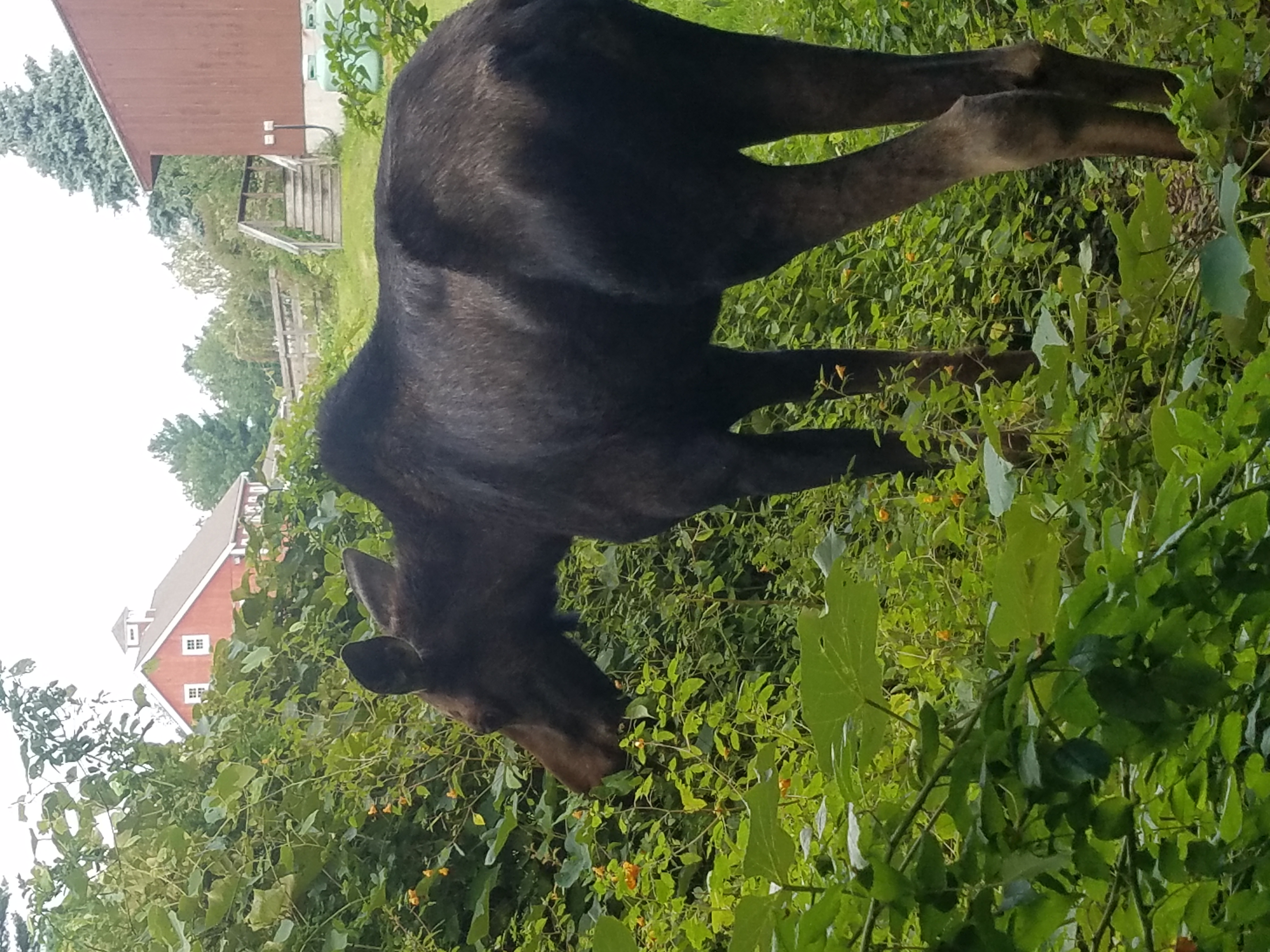
Cow moose with P. tenuis in Massachusetts Photo Credit: D. Stainbrook
For these critters, living in the same area as white-tailed is dangerous. Every year, some poor Pennsylvania elk snacks on the wrong snail and meets its demise.
In fact, P. tenuis is contributing to moose population declines in areas of North America. It’s like living next door to Clark W. Griswold. Your hapless neighbor is creating a vortex of doom completely oblivious to the destruction they are causing.
And the Griswolds are on the move pooping out larvae for snails to find. White-tailed deer are expanding their range into areas where endangered woodland caribou live. If the wolves that follow the deer don’t get the caribou, the larvae-infected snails might!
Clark Griswold means well. He’s just got a lot of baggage. The same is true for our beloved white-tailed deer.
-Jeannine Fleegle Wildlife Biologist PA Game Commission
*If you are a first-time commenter on the blog, your post will not appear until it has been approved by the moderator. This is to prevent spam overwhelming us. If you do not see your post within 24 hours, please email us at deerforeststudy@gmail.com
Deer Crew Diaries – Entry 25-12
[Comments in brackets are by Jeannine and Duane]
———————————————————————————-
From the Northern Crew:
Greetings from the North!
The Susquehannock Crew has been busy working on FLIR surveys each night. So far, we’ve completed 19 of 21 first round surveys. Some nights we see a lot of deer and other nights hardly any. Along with deer, we see lots of grouse, woodcock, and porcupines, as well as an occasional fox, fisher, and bear.
We’ll continue to work most nights to ensure that we finish our second round of surveys before the crew moves on to their next adventure.
-Tom Northern Crew Leader PA Game Commission
———————————————————————————-
From the Southern Crew:
Hello all!
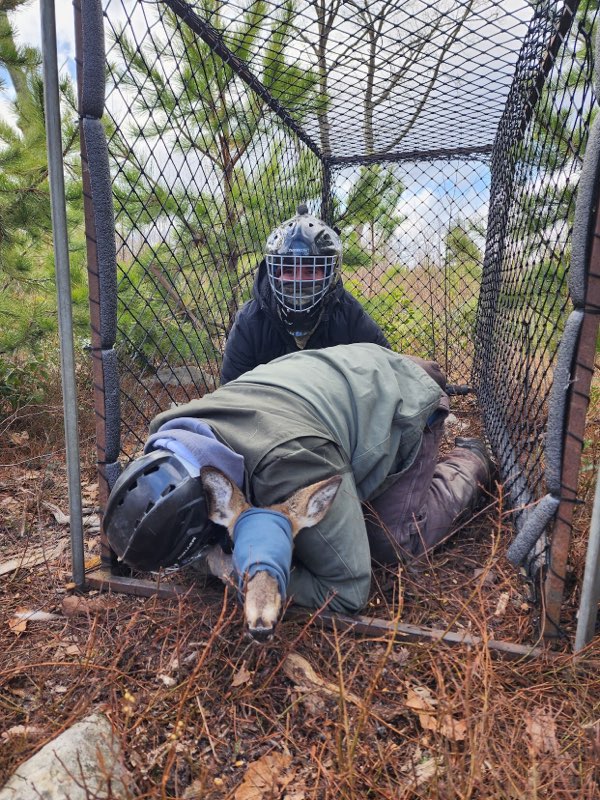
Alas, the season finale of our deer trapping escapades has come! It’s been a bittersweet season to say the least. We’ve labored through the ups and downs that come with trapping and poured literal blood sweat and tears into the outcome. On our last week we managed to wrap it up with a fawn and very nearly got a collar-able deer on the last day, but it just wasn’t meant to be. I was very happy to be lead on our last official deer of the season though- I almost forgot how much fun it was to be in there firsthand!
There was a peculiar final bout of snow last week before we closed our Clover traps for the year. It certainly didn’t linger for very long, but it made for another beautiful day in the field.
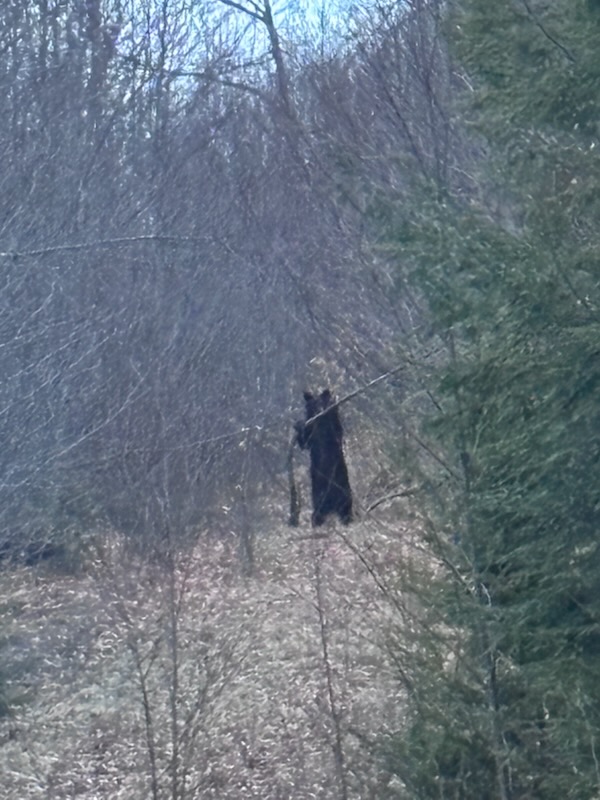
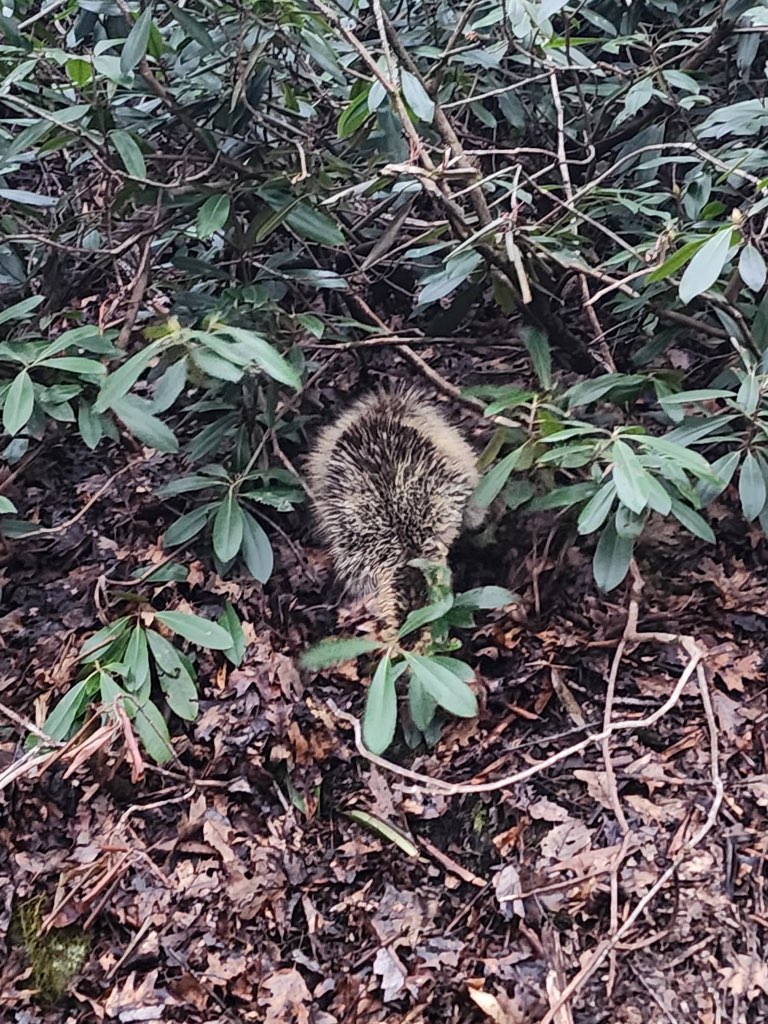
Last week we mainly focused on trapping, with just a day or two of FLIRs. We’ll be back on the surveys in full force from now until they’re completed, in addition to moving all our field equipment back into storage. TONS of porcupines on the move as we’ve been searching for deer in the thermals, and before we pulled the cameras down for our rocket nets and Clovers, we had another bear sighting!
I hope everyone is enjoying the spring weather! If you look a little closer at the ground as you walk… you might even see the occasional early spring ephemeral blooming. I’m still on the lookout for trilliums in Bald Eagle and Rothrock- if anyone knows of any, could you let an enthusiast know for the photographic opportunity?
-Michaela Southern Crew Leader PA Game Commission
*If you are a first-time commenter on the blog, your post will not appear until it has been approved by the moderator. This is to prevent spam overwhelming us. If you do not see your post within 24 hours, please email us at deerforeststudy@gmail.com